By. Steve Farrar – Mycologist and Co-Founder M2 Ingredients
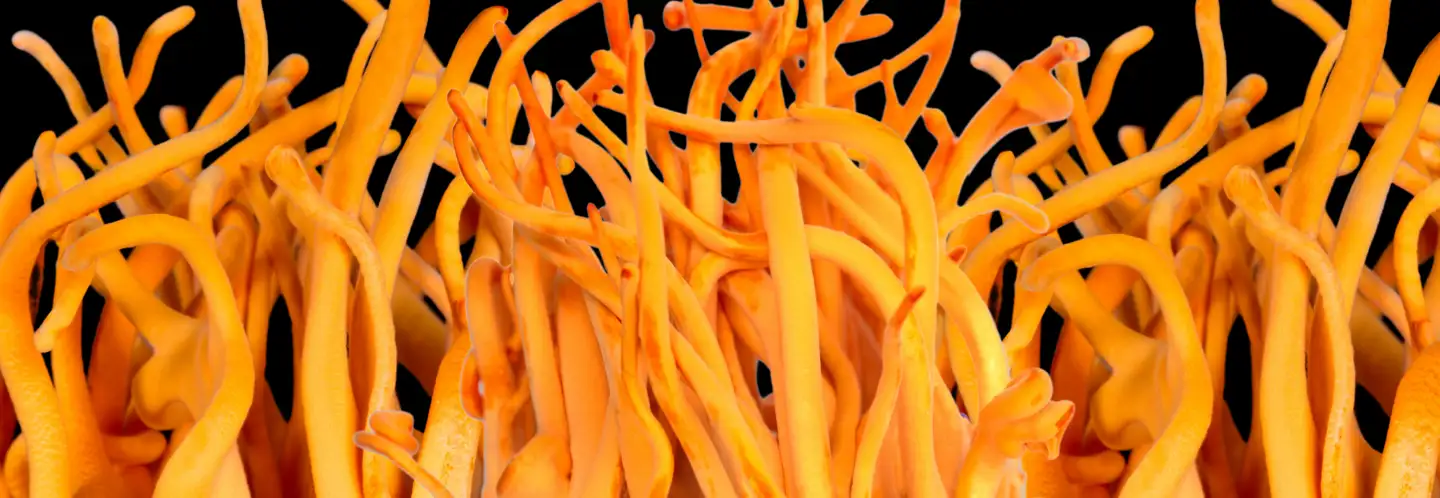
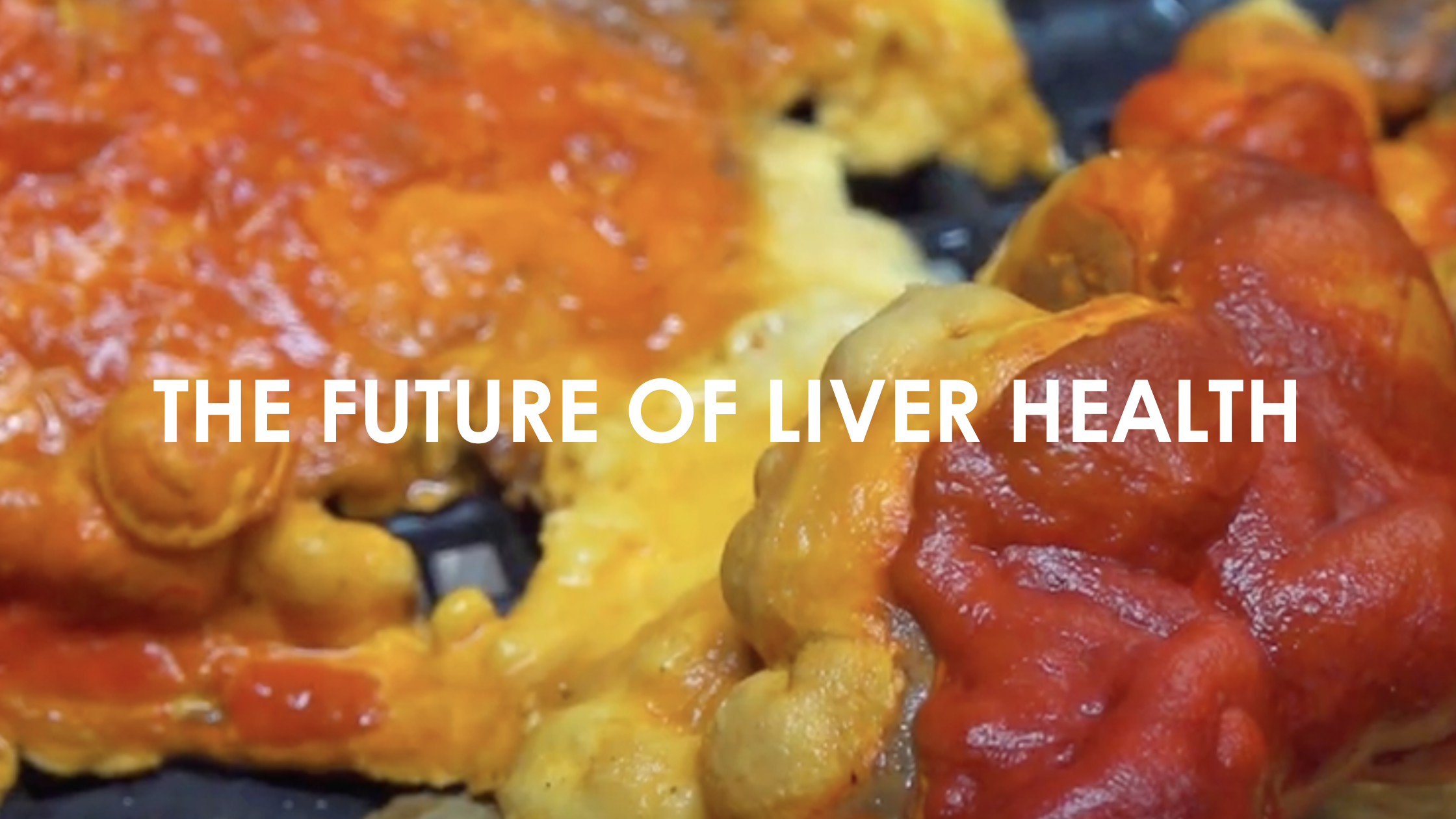
Deep inside Taiwan’s ancient rainforests, hidden within the hollowed trunks of a rare and protected tree, grows one of the most extraordinary mushrooms on earth. It’s brilliant orange, intensely bitter, and for centuries it was nearly impossible to obtain. Wild harvesters would strap on headlamps and climb ropes into the cavities of old-growth trees just to find a few grams of it.
That mushroom is Antrodia camphorata, known in Taiwan as Niu Chang Chih, or the “ruby of the forest.” Until very recently, it was functionally off-limits to the rest of the world.
A MUSHROOM WITH RULES
Most functional mushrooms — reishi, lion’s mane, turkey tail — can be cultivated on wood chips, grain, or sawdust. Antrodia won’t cooperate. In the wild it grows exclusively inside the heartwood of Cinnamomum kanehirae, a slow-growing, highly aromatic and resinous tree found only in Taiwan. That tree is endangered and protected. The mushroom takes decades to reach maturity. Wild-harvested fruit bodies have been reported to sell for $15,000 to $25,000 per kilogram.
The Taiwanese mycological community has been so protective of this species that they proposed an entirely new scientific name, Taiwanofungus camphoratus, now accepted in major taxonomic databases alongside the synonyms Antrodia camphorata and Antrodia cinnamomea.
This isn’t just botanical pride. It reflects how seriously Taiwan’s scientific community takes this mushroom’s uniqueness and how distinct it is from anything else in the fungal world.
WHAT MAKES IT SO SPECIAL?
Antrodia’s pharmacological reputation has deep roots. For generations, Taiwan’s indigenous communities used it as a remedy for alcohol intoxication, liver injury, and abdominal pain, and as a general tonic for resilience and vitality. Over the past decade or so, a research team composed mainly of Taiwanese scientists has published more than 600 scientific articles on this single species.
What keeps researchers so busy? The chemistry. Antrodia produces over 200 distinct bioactive metabolites, a complexity that is rare. The most pharmacologically significant are its terpenoids.
- Antcins (ergostane-type triterpenoids) are well-documented for liver-protective and antioxidant activity. Antrodia’s antcins are so characteristic of the species that they’re used as chemical markers to authenticate genuine Antrodia extracts.
- Antroquinonol is a meroterpenoid structurally related to ubiquinone (CoQ10) that has attracted significant research interest for its broad range of therapeutic and preventive effects.
- Antrodin A is where some of the most striking liver research lies. A study published in the Journal of Ethnopharmacology found that Antrodin A, isolated from cultivated Antrodia mycelium, helps protect the liver from alcohol-induced damage by improving antioxidant and anti-inflammatory capacity, while also supporting the stability of intestinal flora in mouse models (Yi et al., 2020).
- Polysaccharides in Antrodia are immune modulating and gut-supportive. A 2019 study in Nutrients found immunomodulatory effects in both the fruiting body extract and solid-state-cultivated mycelia of Taiwanofungus camphoratus (Lin et al., 2019).
- Then there’s cordycepin, which was previously thought to exist only in Cordyceps species. Its confirmed presence in Antrodia, documented by HPLC analysis as far back as 2005 (Chang et al., 2005) and across cultivation substrates in Thailand (Sornprasert et al., 2019), was a genuine surprise that broadens the mushroom’s functional profile considerably.
A 2025 comprehensive review in ACS Omega pulled together the biological functions and synthesis of active components in Antrodia camphorata, underscoring how much scientific momentum has built around this species in recent years (Liu et al., 2025).
THE CULTIVATION PROBLEM AND THE SOLUTION
Antrodia’s rarity isn’t just a supply chain inconvenience. Harvesting wild Antrodia threatens both the fungal species and its critically endangered host tree. For it to become a viable ingredient for modern wellness products, a sustainable cultivation pathway was essential.
That’s harder than it sounds. Early attempts struggled to replicate the complex chemical environment of the host tree’s heartwood, the very environment that drives Antrodia’s extraordinary metabolite profile.
Two approaches have emerged: submerged fermentation (SmF), which grows mycelium in liquid, and solid-state fermentation (SSF), which grows mycelium on a solid substrate that more closely mimics natural conditions. Research consistently supports SSF as the method that best preserves and expresses the full range of bioactive compounds characteristic of this species.
M2 Ingredients’ proprietary system addresses this challenge by maintaining precise control over temperature, humidity, oxygen levels, and substrate composition throughout the fermentation process. The result is cultivated Antrodia with a broad and consistent spectrum of bioactive compounds, including the terpenoids, polysaccharides, cordycepin, and other metabolites documented in peer-reviewed research. It’s a sustainable, ethically sourced ingredient at a price point that makes it viable for supplement formulation, something wild-harvested Antrodia could never realistically be.
WHAT THIS MEANS FOR YOUR FORMULA
For brands building in the liver health, longevity, detox, or adaptogenic categories, Antrodia offers something genuinely rare: a functional mushroom with a large body of research behind it, a compelling origin story, and a bioactive profile that spans multiple consumer benefit claims.
On the liver health side, traditional use is supported by the growing science on antcins, antroquinonol, and antrodin A. Its polysaccharides address immune modulation without overstimulation. The antioxidant research speaks to oxidative stress from lifestyle and environmental factors. And its broader adaptogenic profile positions it naturally in formulas targeting stress resilience and vitality.
For consumers, the story is already there: a mushroom so rare it was once beyond reach, now made accessible through innovation, carrying centuries of traditional use and hundreds of peer-reviewed studies behind it.
The Bottom Line
The functional mushroom market is crowded with reishi, chaga, and lion’s mane. Antrodia is genuinely different. It has deep cultural heritage, extraordinary bioactive complexity, a growing scientific literature, and thanks to advanced mycelial fermentation, it’s now available as a sustainable ingredient for the first time.
If liver health, longevity, or adaptogenic resilience is part of your product story, it’s worth a closer look.
References
Chang, C-Y., M-Y. Lue, and T-M. Pan. “Determination of adenosine, cordycepin and ergosterol contents in cultivated Antrodia camphorata by HPLC method.” Journal of Food and Drug Analysis 13.4 (2005).
Lin LH, Chi CH, Zhang XH, Chen YJ, Wang MF. “Immunomodulatory Effects of Fruiting Body Extract and Solid-State-Cultivated Mycelia of Taiwanofungus camphoratus.” Nutrients. 2019;11(9):2256. doi: 10.3390/nu11092256.
Liu X, Wang Q, Zhang Y, Feng Z, Guan R. “Biological Functions and Synthesis of the Active Components in Antrodia camphorata.” ACS Omega. 2025 Apr 18;10(16):15908-15922. doi: 10.1021/acsomega.5c01669.
Rogers, R. “Two species of Antrodia from Asia, long known as medicinally important have become the focus of recent analysis.” FUNGI. Volume 15:2, Spring 2022.
Sornprasert, R., Aroonsrimorakot, S., Hambananda, A., Kasipar, K., Sukkapan, P., & Saenkamol, P. “The growth of Antrodia cinnamomea mycelia on different kinds of substrates in Thailand.” International Journal of Agricultural Technology, 15(1):113-126 (2019).
Yi ZW, Xia YJ, Liu XF, Wang GQ, Xiong ZQ, Ai LZ. “Antrodin A from mycelium of Antrodia camphorata alleviates acute alcoholic liver injury and modulates intestinal flora dysbiosis in mice.” J Ethnopharmacol. 2020 May 23;254:112681. doi: 10.1016/j.jep.2020.112681.